
The Most Reliable Panic Button Card
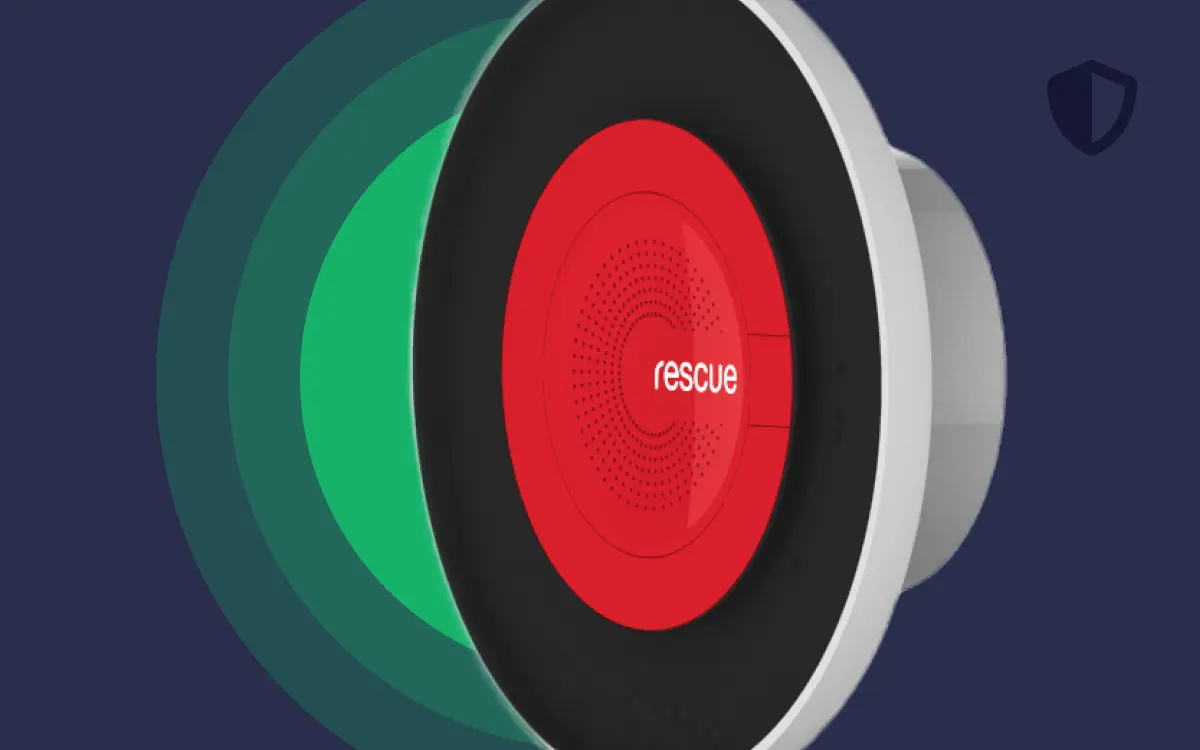
Report emergencies and incidents with ease when using the Rescue Card panic button and our Punch Rescue infrastructure. Our reliable and durable device helps schools stay safe and connected during emergencies.
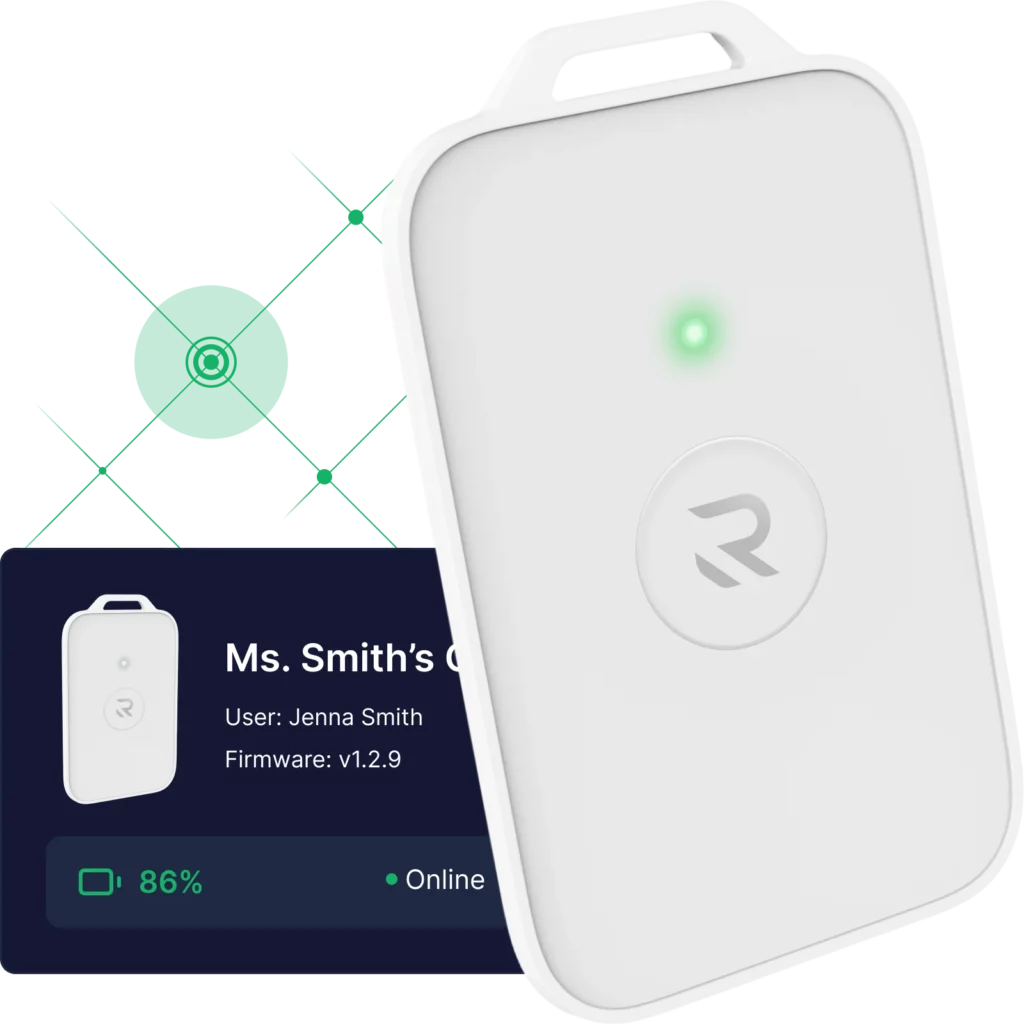

What Makes a Panic Button Reliable Enough for a School?
Not every panic button works the same way. Some depend on your Wi-Fi. Some depend on your cellular signal. Others depend on staff having their phones nearby. The Rescue Card depends on none of this.
With Rescue Repeaters placed throughout your building, the system runs on dedicated hardware. The signal travels through Punch Rescue’s own infrastructure, rather than your school’s network. Because of this, it works in basements, gyms, portable classrooms, and anywhere else your Wi-Fi tends to drop out. And since the system reports through a cellular-capable Rescue Base Station, you’re covered even when the internet goes down.
How Reliable Is A Wearable Panic Button in K-12 Schools?
A panic button that hasn’t been thoroughly tested isn’t a functional safety system. Its users have to rely upon a lot of assumptions. The Rescue Card includes a built-in test mode that lets staff verify the device is live and communicating without triggering a real alert. Each test is logged to an admin portal, so administrators have a documented record of system activity over time.
That documentation makes a difference. It supports compliance audits, satisfies district safety requirements, and gives administrators something concrete to show when accountability is on the line.
Punch Rescue also offers a commitment-free pilot program for schools that want to evaluate the system in their own building before making a district-wide commitment. This is not a mere demonstration or a limited trial. The pilot includes the same infrastructure, hardware, software, and support used in full deployments.
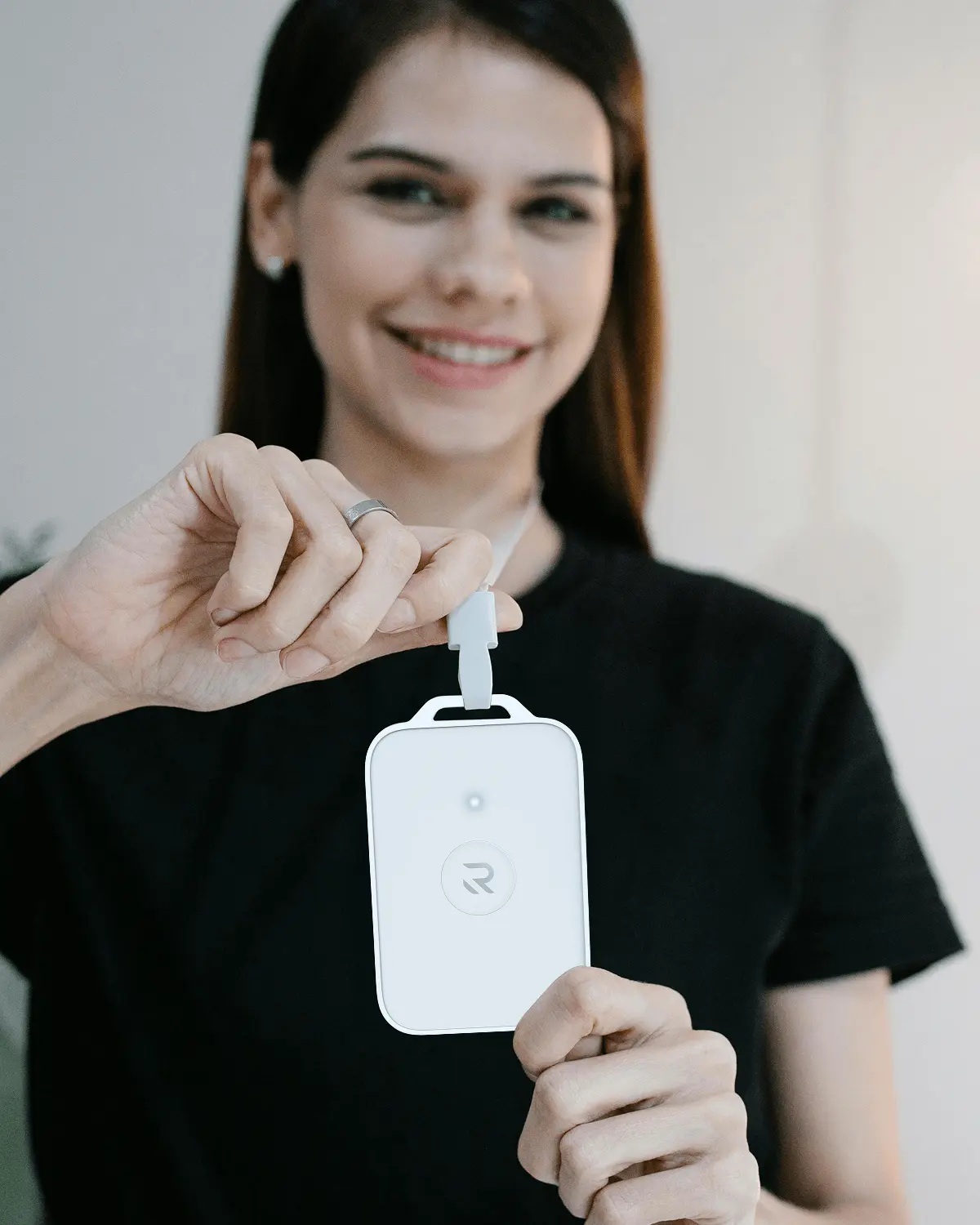
Versatile Panic Button
Versatile Reporting Options
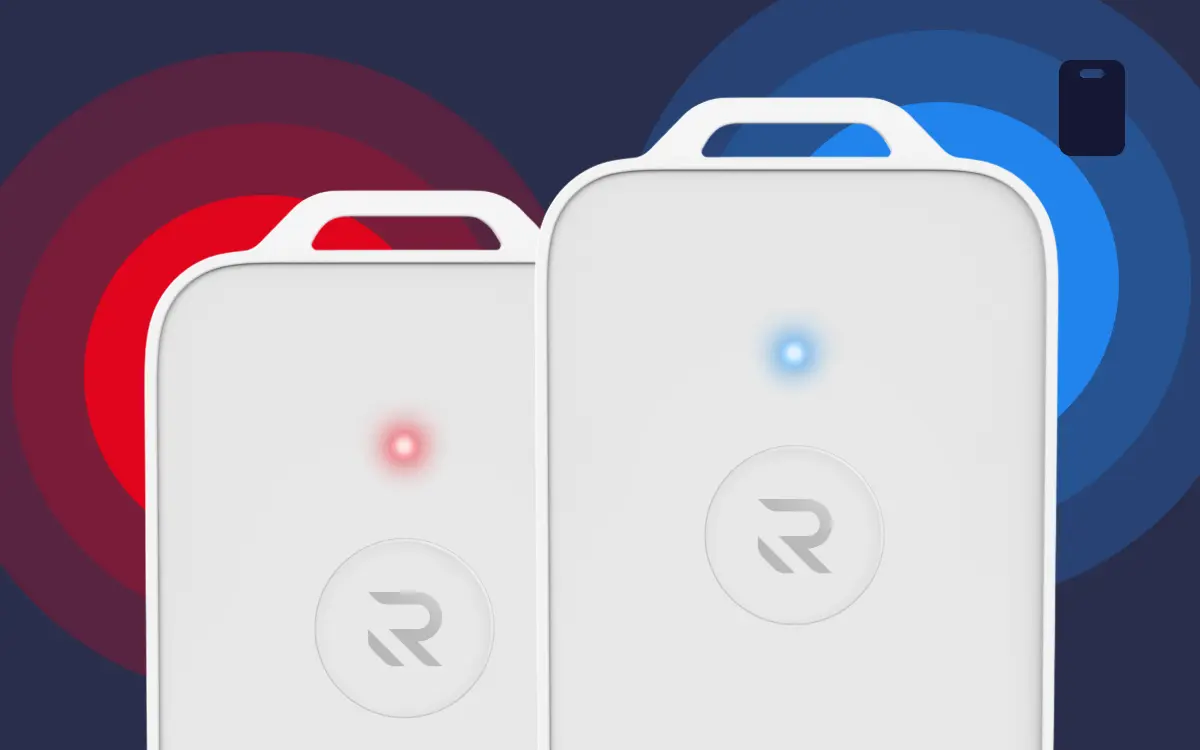
The Rescue Card offers full customization when reporting an incident. From alerting internal responders to triggering 911+, notifying all staff, and activating Rescue Repeater strobe lights.
Replaceable Batteries
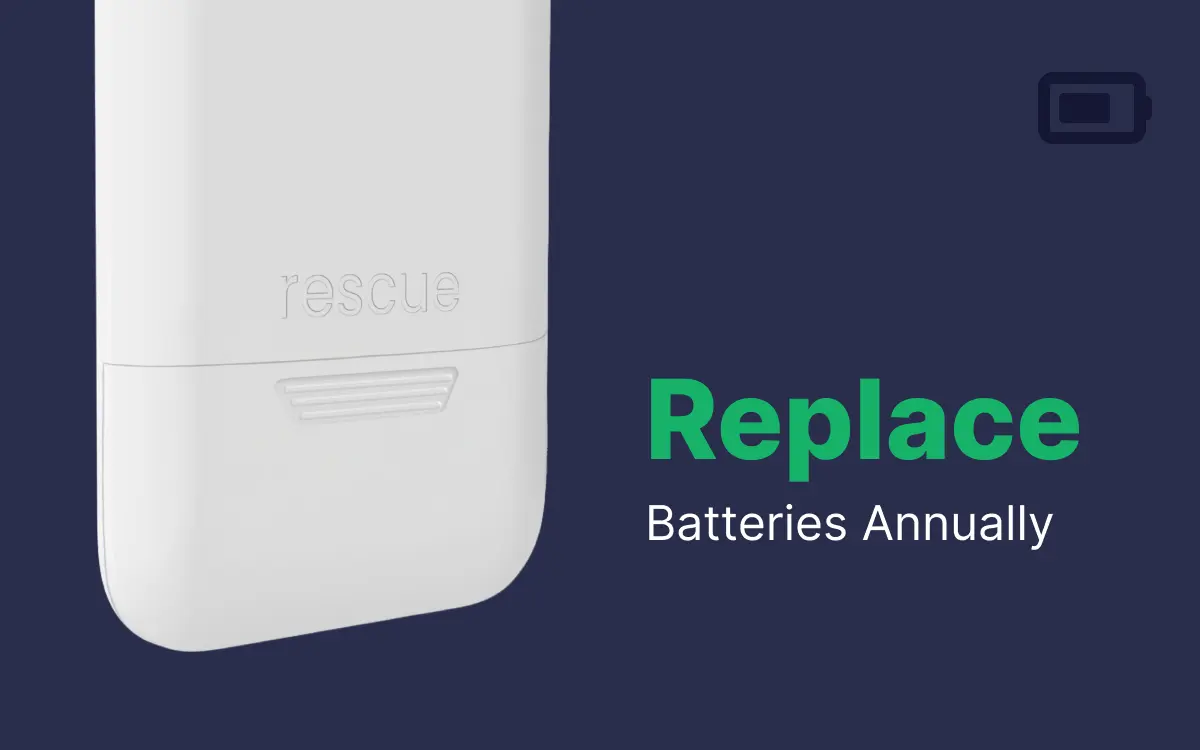
Designed with convenience in mind, the Rescue Card features a battery access port for easy replacement. This makes the Rescue Card a sustainable option which sets it apart other solutions on the market that require entire card replacements

Wearable Panic Button with Location Tracking like GPS
The Rescue Card uses Bluetooth Low Energy (BLE) signals picked up by Rescue Repeaters placed throughout your building. Those repeaters report back to the Rescue Dashboard in real time, pinpointing location to the room level.
Do Wearable Panic Buttons Work in a Power Outage?
Most school safety systems don’t have a way to guarantee your panic button will work without power. The Rescue Base Station, however, includes onboard battery backup capable of supporting the system through an outage. Rescue Repeaters carry their own battery reserve as well, keeping your indoor coverage network live when the building loses power.
Integrated with STOPit Notify
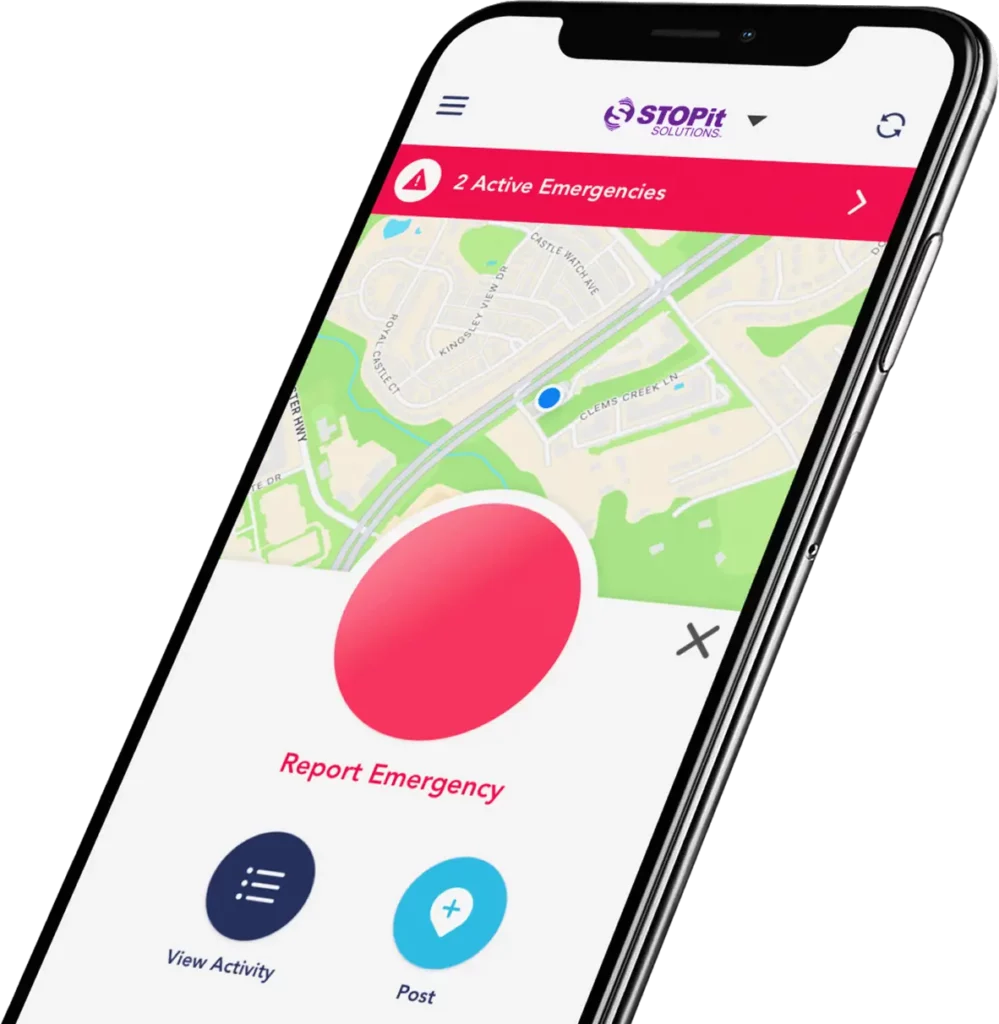
STOPit Notify automatically alerts internal responders during emergency events so you can be fully aware of what’s happening in your location. STOPit Notify’s advanced messaging and management platform gives your team a space to streamline emergency management, making critical, life saving decisions faster and with confidence.
Real-time status and reliability monitoring
Customizable alert stations with OTA updates
Native integration with STOPit Notify and 911-Direct
Easily managed from RescueAlert.io admin portal
Punch Rescue Satisfies Alyssa’s Law Requirements for K-12
Alyssa’s Law requires schools to install silent panic alarms with a direct link to law enforcement. The Rescue Card, as part of Punch Rescue’s emergency communication infrastructure, satisfies those requirements.
The system integrates natively with Lightspeed’s Notify and 911-Direct. This means pressing the button can notify your front office while also triggering a 911 response automatically. If your state has passed Alyssa’s Law, or is actively considering it, the Rescue Card gives you a compliant path forward.
In many states, the Rescue Card provides even greater protection than what the legislation requires. Our technology was designed to provide the highest standards of security, often exceeding required standards of compliance. It was made to be easy to test regularly and to document results.
A Feature Rich Panic Button










Wearable Panic Button FAQ
What is a wearable panic button for K-12 schools?
A school panic button is a wearable or fixed device that lets staff silently trigger an emergency alert. This notifies internal responders and law enforcement without making a phone call or leaving a dangerous situation. The Rescue Card is Punch Rescue’s wearable panic button, designed specifically for K-12 environments.
Do school wearable panic buttons have to be connected to Wi-Fi?
Panic buttons don’t have to be connected to Wi-Fi, and they probably shouldn’t be. Wi-Fi can go down during a power outage or network failure. This is precisely when you need your emergency system to work. The Rescue Card operates through Punch Rescue’s dedicated hardware infrastructure, not your school’s Wi-Fi or cellular network. It’s designed to communicate when other systems cannot.
What is Alyssa's Law and what companies provide compliant wearable panic buttons?
Alyssa’s Law requires schools in participating states to install silent panic alarms that connect directly to law enforcement. Punch Rescue’s system, including the Rescue Card, satisfies those requirements through native integration with Lightspeed System’s Notify and 911-Direct. Even if your state hasn’t passed Alyssa’s Law yet, the infrastructure is already built to comply when it does.
How do school staff trigger a panic button during an emergency?
The Rescue Card wearable panic button is designed to work under pressure, with no steps to remember and no device to find. A single interaction triggers an alert. The system confirms receipt through vibration and LED feedback. Staff know the alert went through without needing to look at a screen or wait for a response. The simpler the action required, the more reliable the system is when it matters.
How accurate is location tracking during a school emergency?
Rescue Repeaters placed throughout your building pick up Bluetooth Low Energy signals from each Rescue Card. They report location back to the Rescue Dashboard in real time. Accuracy is down to the room level. Responders know where to go before they arrive. This shortens response time and reduces the margin for error in a fast-moving situation.
How do schools manage panic button battery life?
Punch Rescue sends replacement batteries annually, so there’s no guessing when it’s time to swap and no logistics burden on your staff. Battery life runs 12–18 months. The battery is replaceable. The card itself is not, which also means you’re not replacing hardware every cycle the way some systems require.
Do school wearable panic buttons work outdoors?
Wearable panic buttons can provide outdoor coverage when the underlying infrastructure supports it. The Rescue Card is waterproof and built for active use — worn on a lanyard, clipped to a belt, or kept in a pocket. Coverage extends to any outdoor area served by Rescue Repeaters, designed to operate across the variety of conditions found on a school campus.
What wearable panic buttons connect to law enforcement?
The Rescue Card wearable panic button, by Punch Rescue, connects to local law enforcement. The Rescue Base Station includes cellular capability, which means the connection to law enforcement doesn’t depend on your internet service being up. When a Level 2 emergency is triggered, 911+ Concierge is contacted automatically through the Base Station. Staff don’t need to make a phone call or stay on the line. The system handles that escalation on its own.
What's the difference between a panic button app and a wearable panic button?
An app requires staff to quickly find their phone, unlock it, open the right app, and tap the correct button. All this is supposed to happen while they are in a highly stressed state. A wearable panic button, on the other hand, is always on and accessible with a single press. It’s available regardless of where the phone is, too.
The Rescue Card is purposefully built to work even if a device is lost, dead, or out of reach.
How much does a wearable panic button system cost for a school?
Cost depends on the size of your building and the number of staff who need cards. Punch Rescue offers a pilot program that lets you evaluate the full system in your own building before committing to a district-wide deployment. Contact the team to get a quote based on your specific footprint.
What happens if a staff member accidentally triggers the panic button?
False activations are manageable. The two-tier alert structure gives administrators and responders context before an escalated response is initiated. A Level 1 alert (three presses) notifies internal staff. A Level 2 alert (long press) escalates to 911. That separation reduces the risk of a full emergency response from an accidental trigger.
How many panic buttons does a school need?
Typically, one card is suggested per staff member who needs coverage. Because the Rescue Card is wearable rather than fixed, it moves with the person, not the room. Schools don’t need to wire buttons into walls or decide which classrooms get coverage. Every staff member wearing a card is covered wherever they are on campus.
What should schools look for when comparing panic button systems?
The most important factors are infrastructure independence, location accuracy, and compliance readiness. A system that depends on your Wi-Fi or cellular network introduces failure points at the worst possible time. Look for dedicated hardware infrastructure, room-level location reporting, and native integration with law enforcement dispatch.
What do school administrators say about implementing a wearable panic button system?
The most common feedback is that staff feel more confident knowing the system works independently of the school’s network. We often also hear mention that the test mode gives them a reliable way to verify it regularly. Administrators point to the documented testing logs as a practical asset during safety audits and board conversations.